Movie
Drama
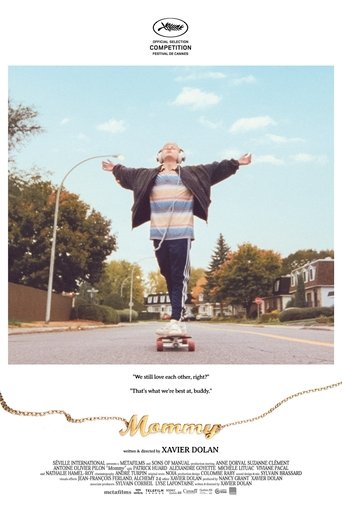
Mommy
Loving people doesn't save them.
8.2Sep 19, 2014138 min
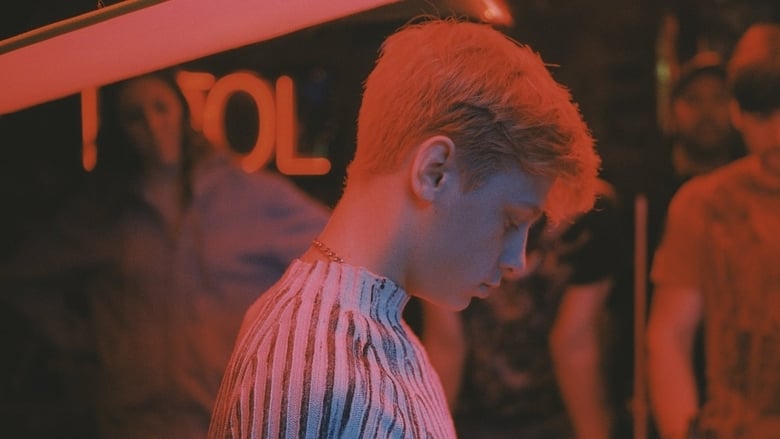
A peculiar neighbor offers hope to a recent widow who is struggling to raise a teenager who is unpredictable and, sometimes, violent.
Loving people doesn't save them.
A peculiar neighbor offers hope to a recent widow who is struggling to raise a teenager who is unpredictable and, sometimes, violent.
Social
Community reviews published on TMDB.
(CASTELLANO) Una madre, un hijo imposible y una pantalla que se abre cuando la vida respira Me ha parecido una película muy potente, intensa y tristísima. No es cómoda, no es serena y desde luego no es pequeña emocionalmente: grita, canta, explota, se abraza, se rompe y vuelve a empezar. Pero precisamente por eso funciona. Dolan cuenta una relación madre-hijo que está llena de amor, rabia, miedo, dependencia y una imposibilidad terrible: quererse muchísimo no siempre basta para salvarse. Steve no es simplemente "un chico problemático". Es un adolescente explosivo, imprevisible, peligroso a veces, pero también vulnerable y necesitado de afecto. Puede pasar del encanto a la violencia en segundos, y eso hace que cada escena con él tenga una tensión constante. Lo miras con ternura y con miedo al mismo tiempo. Ahí la película acierta: no lo convierte en monstruo ni en víctima pura. Diane, su madre, me pareció el corazón absoluto de la película. Es vulgar, excesiva, fuerte, caótica, divertida, desesperada y profundamente amorosa. Vive agotada, pero se niega a soltar a su hijo. Hay algo heroico y devastador en ella: no porque sea perfecta, sino porque sigue intentando sostener una vida que se le escapa de las manos. La relación entre ellos es preciosa y terrible. Se quieren de una forma enorme, casi física, pero ese amor también los destruye. Ella quiere protegerlo del mundo, de las instituciones y de sí mismo; él la ama, pero también la arrastra a un lugar donde todo puede estallar. La película entiende muy bien esa tragedia: hay familias donde el cariño existe de verdad y aun así no encuentra forma de convertirse en salvación. Kyla aporta un equilibrio precioso. Entra como una vecina extraña, tartamuda, bloqueada por su propio dolor, y poco a poco se convierte en una especie de tercera pieza imposible. Con ella, Diane y Steve parecen encontrar una familia provisional, rara y luminosa. No cura nada, pero durante un rato permite imaginar que otra vida era posible. La música me gustó muchísimo. Dolan usa canciones conocidas sin miedo, casi enteras, con una emoción enorme. "Colorblind" de Counting Crows ya marca una fragilidad preciosa, pero el momento de "Wonderwall" de Oasis es directamente maravilloso. Cuando Steve abre los brazos y la pantalla se ensancha, la película te deja respirar con él. Es una imagen muy sencilla y muy poderosa: por unos minutos, el mundo deja de estar encerrado. El formato cuadrado me parece una idea magnífica. No es solo un capricho visual. Hace que la vida de los personajes parezca comprimida, sin aire, atrapada entre paredes invisibles. Cuando la imagen se abre, se siente como una liberación real; cuando vuelve a cerrarse, duele porque entiendes que esa libertad era frágil. La escena del supermercado, cuando Steve se corta las venas, es durísima. Ahí la película deja claro que no estamos ante una simple historia de adolescente difícil o madre sufridora. Hay desesperación, enfermedad emocional, impulsos que nadie controla y una sensación terrible de que Diane vive al borde del desastre. Querer a alguien así debe ser agotador y aterrador. Lo que más me rompió fue el futuro imaginado por la madre. Durante unos minutos vemos una vida bonita para Steve: crecer, estar bien, tener una existencia normal, quizá formar una familia, quizá convertirse en alguien que pudo sobrevivir a su propio caos. Y luego entendemos que es un sueño, una fantasía de Diane. Ese golpe es brutal porque no pierdes algo que había ocurrido, sino algo que ella necesitaba creer posible. Ese momento resume toda la película. Diane no quiere librarse de Steve; quiere que su hijo tenga una oportunidad. Quiere imaginar que todo el sufrimiento puede desembocar en una vida decente. Y cuando la realidad se impone, el dolor es enorme. No hay villano fácil. Hay amor, enfermedad, impotencia y un sistema que aparece como última salida y como derrota. También entiendo a quienes pueden verla excesiva. Dolan no es discreto: subraya, estira las canciones, empuja el melodrama y a veces parece querer que cada escena sea un incendio. Pero conmigo funcionó porque esa falta de mesura encaja con lo que cuenta. Esta historia no podía ser fría ni elegante; tenía que estar un poco desbordada. Las interpretaciones son tremendas. Anne Dorval está impresionante, Antoine Olivier Pilon tiene una energía salvaje y Suzanne Clément aporta una tristeza silenciosa que equilibra el conjunto. Los tres hacen que la película sea más que un ejercicio de estilo. Sin ellos, el formato y la música serían solo trucos; con ellos, se convierten en emoción. Al final, me queda como una película muy intensa, imperfecta quizá, pero viva de una manera brutal. Me gustó su música, su rabia, su ternura, el uso del encuadre y esa sensación de estar viendo a dos personas que se aman hasta hacerse daño porque no saben vivir de otra manera. Mommy duele porque entiende algo terrible: a veces el amor es enorme, pero la vida es más grande. (ENGLISH) A mother, an impossible son and a screen that opens when life breathes I found it a very powerful, intense and deeply sad film. It is not comfortable, calm or emotionally small: it screams, sings, explodes, embraces, breaks and starts again. But that is exactly why it works. Dolan tells a mother-son relationship full of love, anger, fear, dependence and a terrible impossibility: loving each other deeply is not always enough to save each other. Steve is not simply "a problematic boy". He is explosive, unpredictable, sometimes dangerous, but also vulnerable and desperate for affection. He can go from charm to violence in seconds, and that gives every scene with him a constant tension. You look at him with tenderness and fear at the same time. That is where the film gets it right: it does not turn him into a monster or a pure victim. Diane, his mother, felt like the absolute heart of the film. She is vulgar, excessive, strong, chaotic, funny, desperate and deeply loving. She lives exhausted, but refuses to let go of her son. There is something heroic and devastating about her: not because she is perfect, but because she keeps trying to hold together a life that is slipping through her hands. Their relationship is beautiful and terrible. They love each other in an enormous, almost physical way, but that love also destroys them. She wants to protect him from the world, from institutions and from himself; he loves her, but also drags her into a place where everything can explode. The film understands that tragedy very well: there are families where love truly exists and still cannot become salvation. Kyla brings a beautiful balance. She enters as a strange neighbor, blocked by her own pain, and slowly becomes a kind of impossible third piece. With her, Diane and Steve seem to find a temporary, odd and luminous family. She does not cure anything, but for a while she allows another life to feel imaginable. I loved the music. Dolan uses famous songs without fear, almost in full, with enormous emotion. Counting Crows' "Colorblind" already brings a beautiful fragility, but the "Wonderwall" moment is simply wonderful. When Steve opens his arms and the screen widens, the film lets you breathe with him. It is a simple and powerful image: for a few minutes, the world stops being closed in. The square format is a magnificent idea. It is not just a visual whim. It makes the characters' lives feel compressed, airless, trapped between invisible walls. When the image opens, it feels like a real liberation; when it closes again, it hurts because you understand how fragile that freedom was. The supermarket scene, when Steve cuts his wrists, is very hard. There the film makes clear that this is not just a story about a difficult teenager or a suffering mother. There is despair, emotional illness, impulses nobody can control and the terrible sense that Diane lives on the edge of disaster. Loving someone like that must be exhausting and terrifying. What broke me most was the future imagined by the mother. For a few minutes we see a beautiful life for Steve: growing up, being well, having a normal existence, perhaps forming a family, perhaps becoming someone who could survive his own chaos. Then we understand that it is a dream, a fantasy of Diane's. That blow is brutal because you do not lose something that happened, but something she needed to believe possible. That moment sums up the whole film. Diane does not want to get rid of Steve; she wants her son to have a chance. She wants to imagine that all the suffering can lead to a decent life. And when reality imposes itself, the pain is enormous. There is no easy villain. There is love, illness, helplessness and a system that appears both as a last way out and as a defeat. I also understand those who may find it excessive. Dolan is not discreet: he underlines, stretches songs, pushes melodrama and sometimes seems to want every scene to be a fire. But it worked for me because that lack of restraint fits what he is telling. This story could not be cold or elegant; it had to be a little overflowing. The performances are tremendous. Anne Dorval is impressive, Antoine Olivier Pilon has a wild energy and Suzanne Clément brings a silent sadness that balances the whole film. Together they make it more than a stylistic exercise. Without them, the format and the music would only be tricks; with them, they become emotion. In the end, for me it remains a very intense film, perhaps imperfect, but brutally alive. I loved its music, its anger, its tenderness, its use of framing and that feeling of watching two people who love each other so much that they hurt each other because they do not know how to live any other way. Mommy hurts because it understands something terrible: sometimes love is enormous, but life is bigger.
Clip
Open on YouTubeClip
Open on YouTubeClip
Open on YouTubeFeaturette
Open on YouTubeFeaturette
Open on YouTubeTrailer
Open on YouTubeTrailer
Open on YouTube