***Star-studded soap opera about racial tensions in Alabama in the early 70s***
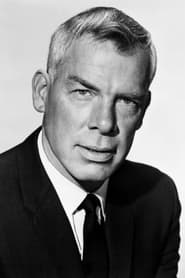
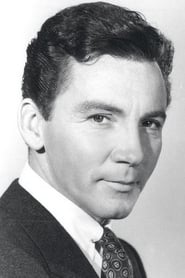
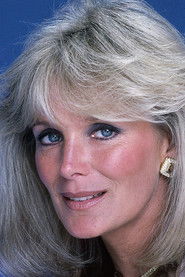
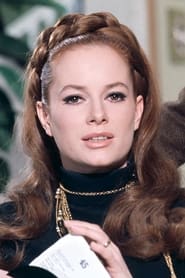
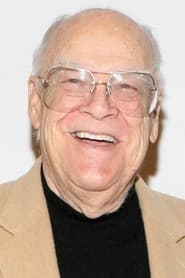
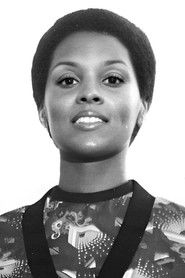
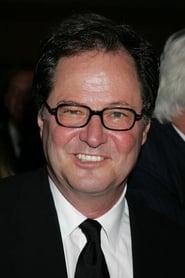
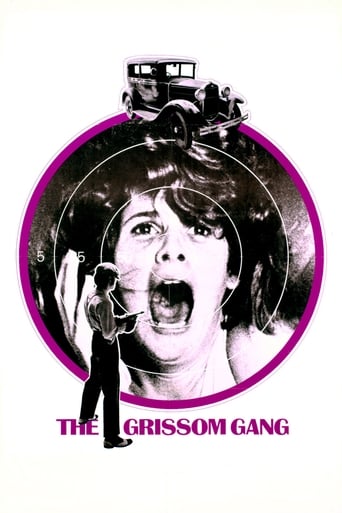
Directed by Terence Young, this is a melodrama with thrills starring Lee Marvin as a sheriff in a small town in northern Alabama trying to keep the lid on racial tensions after a black man rapes a white woman (Linda Evans). Richard Burton costars as Breck, an alcoholic who sympathizes with the black community while opposing the local Klan, which is made up of whites in prominent positions, like the unprofessional deputy (Cameron Mitchell) and the rotund mayor (David Huddleston). Lola Falana plays Breck's black spiritual daughter while OJ Simpson (in his first role) plays a vengeful man turning to radical measures. Italian beauty Luciana Paluzzi (from 1965's "Thunderball") is on hand as the Sheriff's assistant at the station, although her lines are dubbed by Joanna Moore.
With such a noteworthy cast and a tried-and-true director (who impressively shot the first three Bond films) "The Klansman" should be superlative, but it's not. The plot is great (based on William Bradford Huie's 1967 novel), but the screenplay is melodramatic, sometimes to the point of being laughable, like the unbelievable church sequence. That episode could’ve worked, but more subtlety and creativity were in order. The flick comes across as a late-night TV soap opera with edge. I'm assuming that most of the $5 million budget went toward cast & crew wages because the script needed kinks worked out, which isn't helped by dubious editing that's often abrupt and awkward. Take, for instance, the fight at the bus station, which could be dubbed Richard Burton, Master of Drunk Fu; it has to be seen to be believed.
"The Klansman" is an obvious exploitation piece, as these types of films were the ones getting revenue during a low point in Hollywood after bloated-budget films sank some major studios. It comes in the tradition of 1966’s star-studded Southern Gothic “The Chase,” just adding the racial tension component, not to mention it’s in color as opposed to B&W.
Lee Marvin is solid as the protagonist, easily carrying the movie, and Burton still has his charisma, but both were plagued by personal troubles at the time and allegedly drinking heavily. Richard was constantly fighting with Elizabeth Taylor during shooting, reportedly over Burton's flirtations or affair with a young waitress or a married woman. There were shouting matches and items flew through the air at their rented house, basically destroying the interior. The crew stayed at a local motel where one full room was filled with cases of alcohol from floor to ceiling. While Marvin and Burton were professionals and always showed up on time, the latter clearly slurred lines at times and had to be filmed in a reclining or sitting position to pull off his scenes. Burton was 48yo during filming but looked 20-25 years older.
The original screenplay was by Samuel Fuller, but Paramount got nervous about the provocative material and ordered it rewritten. Fuller was also slated to direct but was so ticked off by the decision to change his script, he walked off the project. One of the changes was that Marvin's Sheriff was originally a racist KKK leader and not an unprejudiced police officer (who was presumably a member of the Klan in his younger days). This angered Marvin, but he couldn't leave the production because he had already signed a contract.
Despite the negatives, "The Klansman" works as a talky melodrama reflecting racial tensions in the Deep South in the early ’70s (or late ’60s, when the book debuted). It effectively shows how everyday people can get caught up in a situation in which one wrong results in another wrong and then another and another, leading to the inevitable tragic climax. They just needed to rewrite the church sequence with more subtlety and redo the bus station fight with more proficiency. If you can overlook those two glaring flaws, it has its points of interest. You just have to keep up with the dialogues since the movie’s dialogue-driven (I suggest using the subtitles).
It runs 1h 52 with cut versions running 4-12 minutes shorter, which edit or cut entirely the rape and castration scenes. It was shot in Feb 1974 in Oroville, California, which is 75 miles north of Sacramento.
GRADE: B-/C+